Writing

Finch Journal

Letters from the kitchen, the workshop and the road. Written honestly, published when there is something worth saying.

From the kitchen

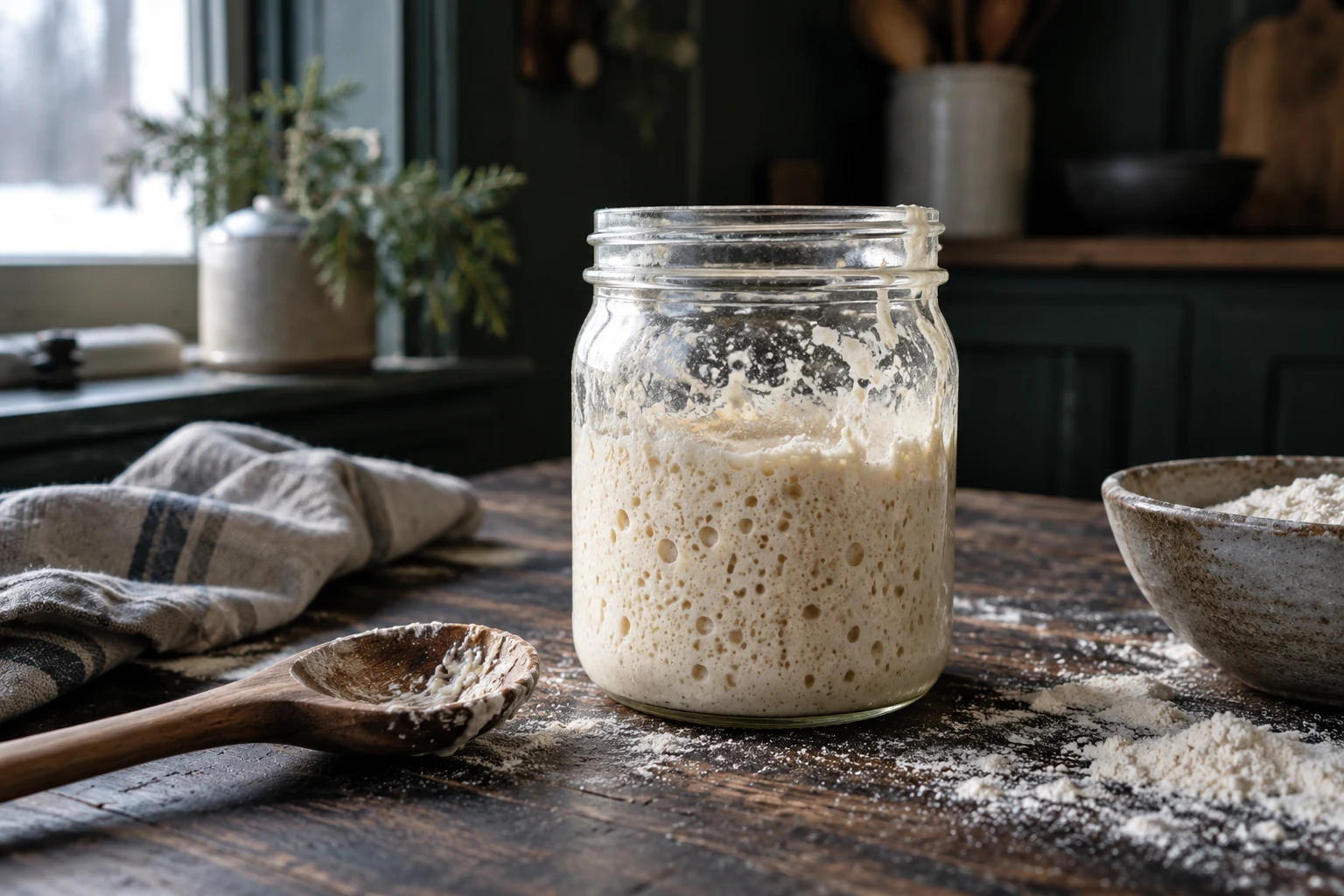
Three tips for cold-weather sourdough

Winter does not ruin your starter. It just slows it down and asks you to pay attention.

01

Find the warm pocket in a cold house

Your kitchen counter in January is not room temperature — it is fifteen degrees colder than your starter wants. Move the bowl to the top of the refrigerator, inside the oven with only the light on, or on a folded wool blanket near the woodstove. One consistent warm spot beats fussing with the thermostat all day.

02

Feed with warm water, not hot

Around 85–90°F water at feeding wakes a sluggish winter starter without cooking it. Feed a little more often in the cold months and use a touch less water in the dough itself — a slightly stiffer dough holds its shape better through a long, cool rise.

03

Let the clock stretch, and watch the dough instead

A recipe timed for a summer kitchen will lie to you in February. Bulk ferment can take half again as long. Stop counting hours and look for a dough that has risen about 50 percent, feels airy and domed, and jiggles as one piece. An overnight cold retard in the refrigerator makes it easier to score and gives the crust real flavor.

Seasonal letters

Nine entries from the year

Mud season, and the first honest light

Spring · The season

Mud season, and the first honest light

What the mercantile offers when the ground finally lets go.

Spring in Maine is not pretty. It is brown, it is wet, and the driveway tries to keep your boot. But the light changes before anything else does, and that is the part I wait for — a long slant of it across the kitchen floor around four in the afternoon, warm enough to prove the sun has been somewhere else all winter and has come home.

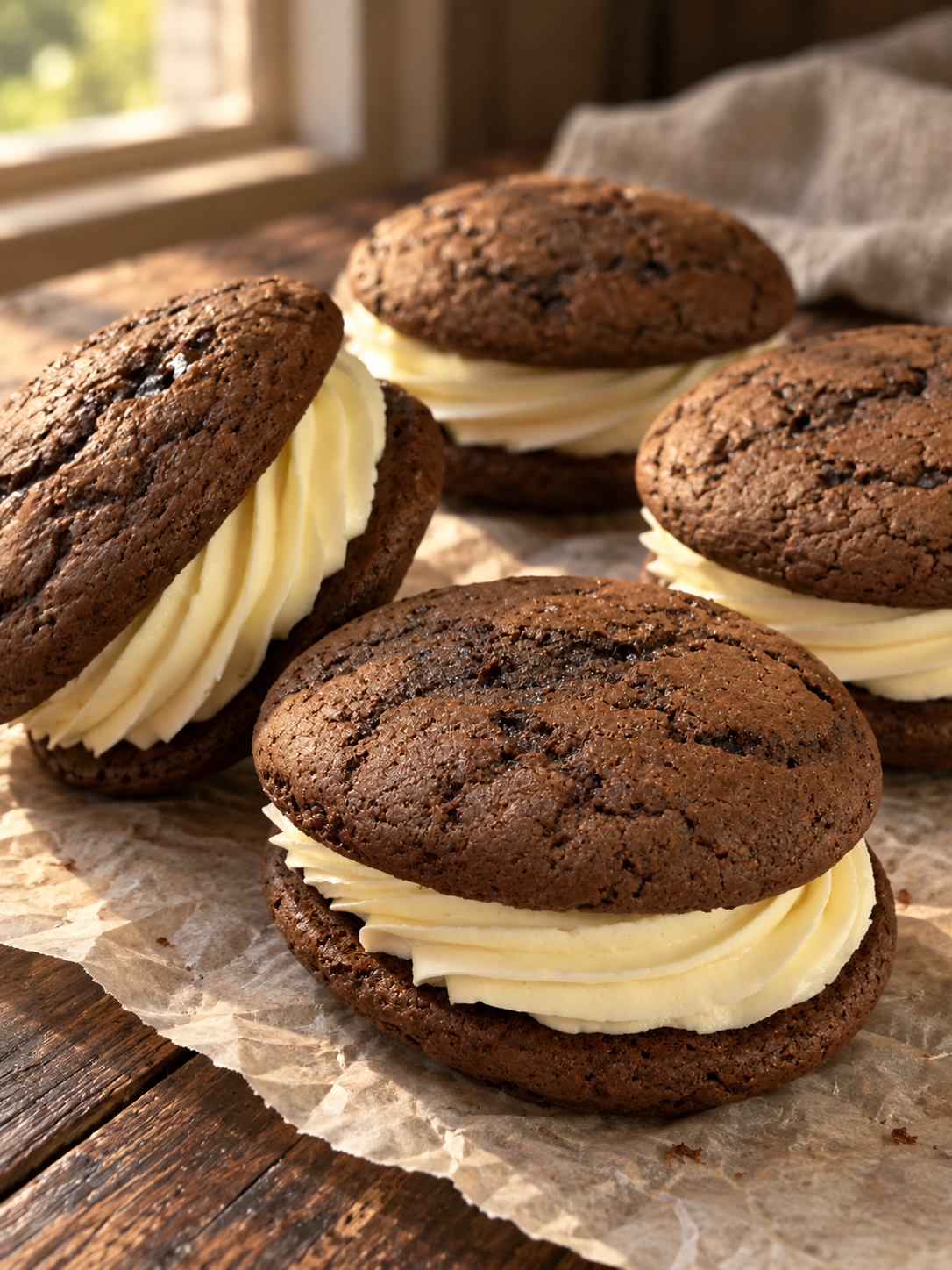
This is the sugaring and starting season. Maple whoopie pies, maple walnut bread, half pounds of maple fudge cut while the sap is still running somewhere up the road. I put up the last of the fall preserves and make room on the shelves. I take the wool socks off, put the sandals on over them anyway, and call it a wardrobe.

I am on the road most weeks in March and April, driving from one small operation to another, filling the back of the truck with syrup and grain and jars. My lil sidekick holds the fort, sends me pictures of the dog on my side of the bed, and asks when I am bringing home the maple. I come back tired and full-handed, and the workshop smells like maple for a month.

Berry weeks, and hands stained to the wrist

Summer · The season

Berry weeks, and hands stained to the wrist

Harvest is not romantic. It is bent backs, black flies, and the best jam of the year.

There is a two-week window in a Maine summer where everything happens at once. Wild blueberries come in low and stubborn on the barrens, strawberries before them, raspberries slipping in on the edges. You cannot schedule it. You answer when it calls.

I drive to the growers I know, sit on tailgates, talk about weather like it is family, and load flats until the truck sits low. Then it is the kitchen at five in the morning, jars boiling, linen apron already ruined, the radio on low so nobody wakes. Wild blueberry preserves, peach when the peaches are right, lemon basil strawberry fudge because summer deserves something bright.

Somewhere in there my lil sidekick comes through the kitchen with a hose and no shirt on and takes three jars' worth of berries straight out of the bowl. I let them. That is what the two weeks are for.

The apples, the woodpile, and everything at once

Autumn · The season

The apples, the woodpile, and everything at once

Autumn is our loudest season in the workshop, and my favorite.

By September the kitchen turns over completely. Apple butter goes on in the big pot and stays there most of a day, dark and slow, filling the whole house so thoroughly that the smell is in my sweaters until Christmas. Pumpkin chocolate chip cookies, decorated pumpkins the size of your hand, sugar leaves iced by hand at the table while my lil sidekick does homework across from me.

This is also mincemeat season, which nobody expects a woman my age to still be making from scratch, and which is exactly why I make it. Some recipes deserve to be carried whether or not they are fashionable.

I stack wood in October like it is a religion. Linen gives way to wool. The workshop light goes on at four and stays on. Everything I make from here to March is meant to be eaten with cold hands.

A quiet house, a warm oven, and long dark evenings

Winter · The season

A quiet house, a warm oven, and long dark evenings

Winter is when the mercantile does its most careful work.

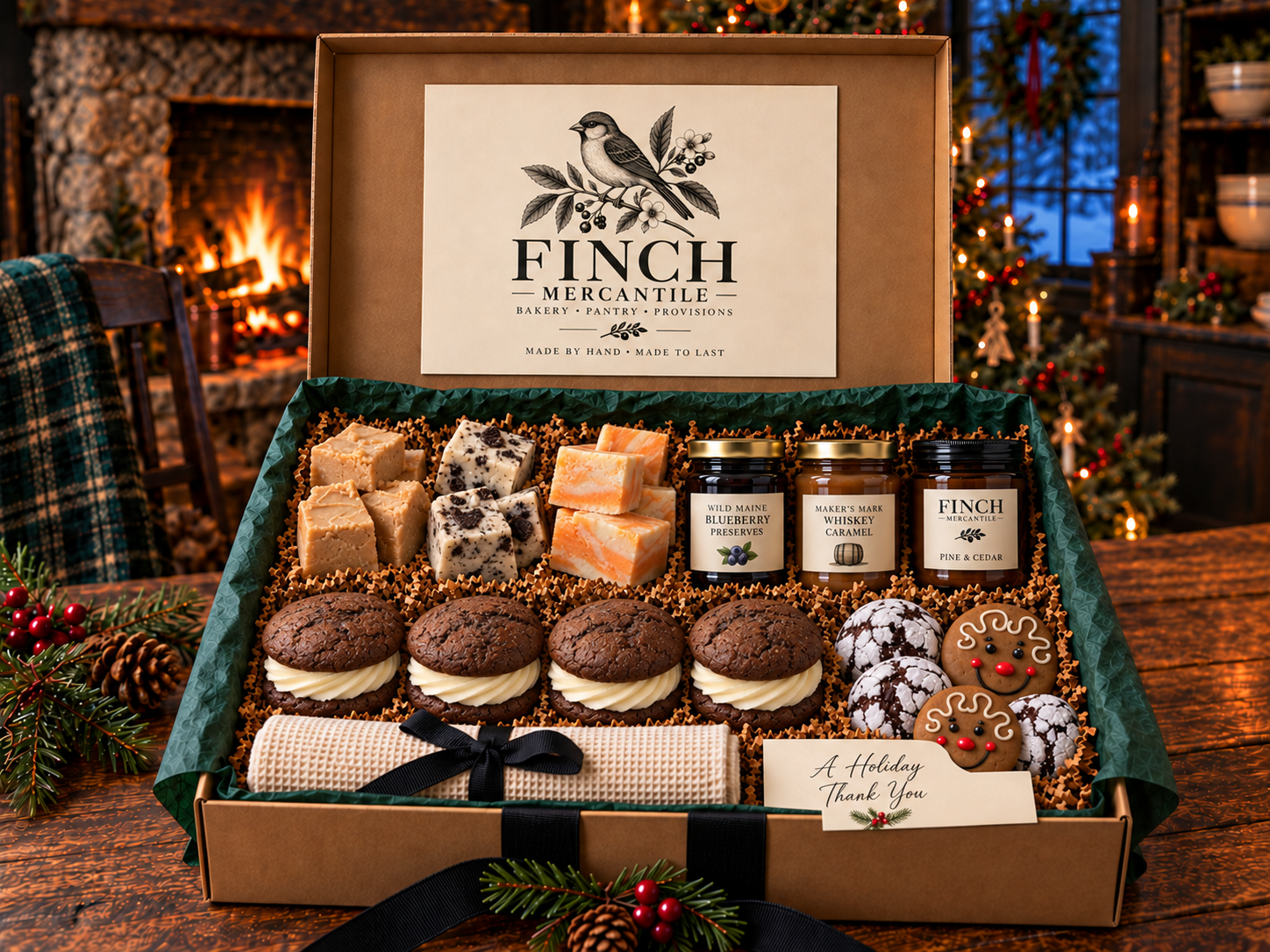
Winter strips the calendar down. Nowhere to be. Nothing green to tend. Just the kitchen, the kettle, the starter on the counter under a linen towel, and the deep list of things I only get to make when the days are short — fudge in small pans, holiday cookie boxes, the cold month baking kits, sourdough that takes all day because the day is willing to give it.

The house is quieter now than it used to be. Only my lil sidekick is still here full-time. I still cook like a full table is coming home for supper, and about once a month it does — my grown ones come through with the grandkids, and I get to be Nonna for an afternoon. It is worth every extra loaf.

If you find me in January I will be in a linen dress, wool socks, and sandals, standing at the counter with flour to my elbows, entirely content and slightly cold.

Maple · The makers

Standing in somebody else's sugarhouse at 6 a.m.

Why we drive for the syrup instead of ordering it.

Maine maple is not one flavor. It is dozens. Early runs come out pale and delicate, late runs go dark and mineral and taste like the woods they came from. If you buy syrup off a pallet you get an average. If you stand in the sugarhouse and taste from the pan, you get a decision.

So we drive. We sit in the steam with people who have been boiling since before dawn, and we choose the grade that will do right by our maple walnut fudge, our whoopie pies, our maple bacon. I bring them fudge. They bring out the good jug from the back.

That is the whole business, honestly. Knowing the hands your ingredients came through, and being able to name them when someone asks.

Berries · The makers

Wild blueberries and the people who rake them

A small rant about the difference between wild and cultivated.

A cultivated blueberry is a fine thing. A wild Maine blueberry is a different fruit entirely — smaller, tighter, darker, tart in a way that survives sugar and heat. In fudge it holds. In preserves it stays itself.

The barrens are hard ground and the raking is hard work, done in August heat by people who do it every year of their lives. We buy from growers, not brokers, and we pay what it costs. If that makes an 8 oz jar cost what it costs, so be it.

I put up what we can get and when it is gone it is gone. There is no shame in a shelf that empties. That is what seasonal means.

The coast · Gathering

Down east for salt, and a day I did not plan

Some supply runs turn into the best day of the month.

I went down the coast for sea salt and came back with salt, two crates of seconds peaches, a lead on a woman who makes the crackers I have been trying to reverse-engineer for a year, and sand in the truck. Fog the whole way out. Sun by two.

There is a particular calm to a working harbor in the off-season — rope, diesel, cold air, nobody performing anything for anyone. I sat on a bollard and ate a sandwich and did not check my phone for an hour, which for me is close to a spiritual event.

The salt is in the caramel now. The peaches are in jars. The crackers are coming, in time.

The woods · Home

What the woods give back

On calm, wool, linen, and refusing the fake version of things.

I walk in the woods behind the house most days, in whatever I am already wearing, which is usually linen and wool and the wrong shoes. It is not exercise. It is a reset. The trees do not need anything from me, which after a day of everyone needing something is a real gift.

That walk is where the recipes come from — the balance of a spice, a name for a kit, a decision about a box. I bring it back to the kitchen and the workshop and get to work while it is still warm in my head.

I choose real materials for the same reason. Wool, linen, cast iron, glass, butter, cane sugar, the honest thing that ages instead of the clever thing that doesn't. It costs more and takes longer and lasts a lifetime. That is Finch Mercantile, start to finish.

Fifteen years of flour on the floor

The kitchen · Learning

Fifteen years of flour on the floor

Self-taught, and taught by every generation that left a recipe behind.

I have been baking for more than fifteen years. Not in a school, not under a chef, but in my own kitchen with my own two hands and a lot of failed batches I fed to the chickens. Most of what I know I learned by watching — aunts at a counter, grandmothers who never measured, neighbors who could tell a dough was ready by the sound of it hitting the bowl.

Techniques travel that way. How to fold a sourdough without tearing it. The right slump of a fudge before it sets. Why a preserve needs less sugar than the modern recipes say. You pick it up like an accent, by being near it long enough.

The recipes I keep are the ones that survived because they work. Not the pretty ones. Not the trendy ones. The ones that hold up to a Maine winter, a long drive, a grandkid who only eats the frosting. That is the whole archive, and I am still adding to it.

The Mercantile Letter

Notes from the workroom

Seasonal shop openings, new patterns, and what's rising on the kitchen counter. Sent quietly, never often.

Signup is not connected yet.